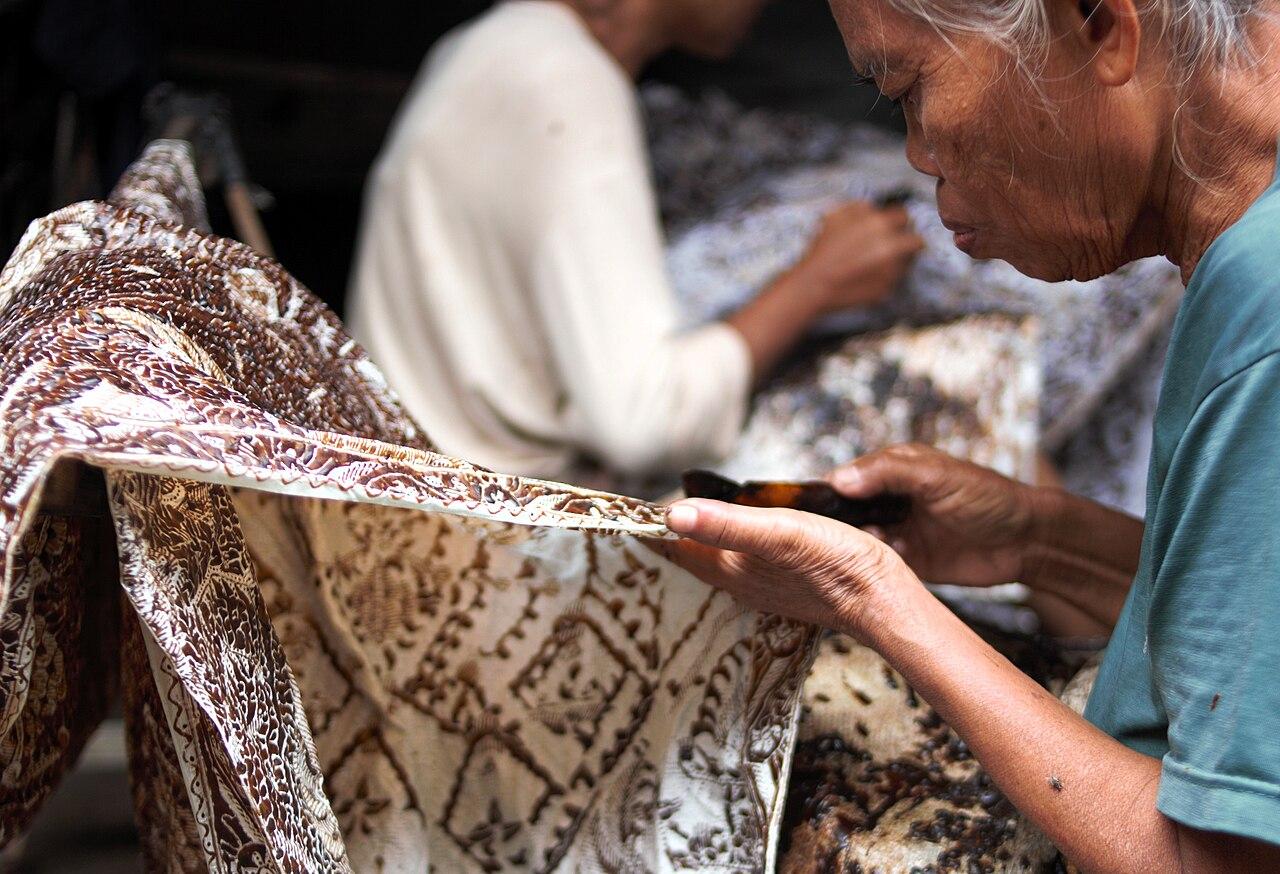
The wax-resist textile art whose patterns carry meaning, rank and regional identity.
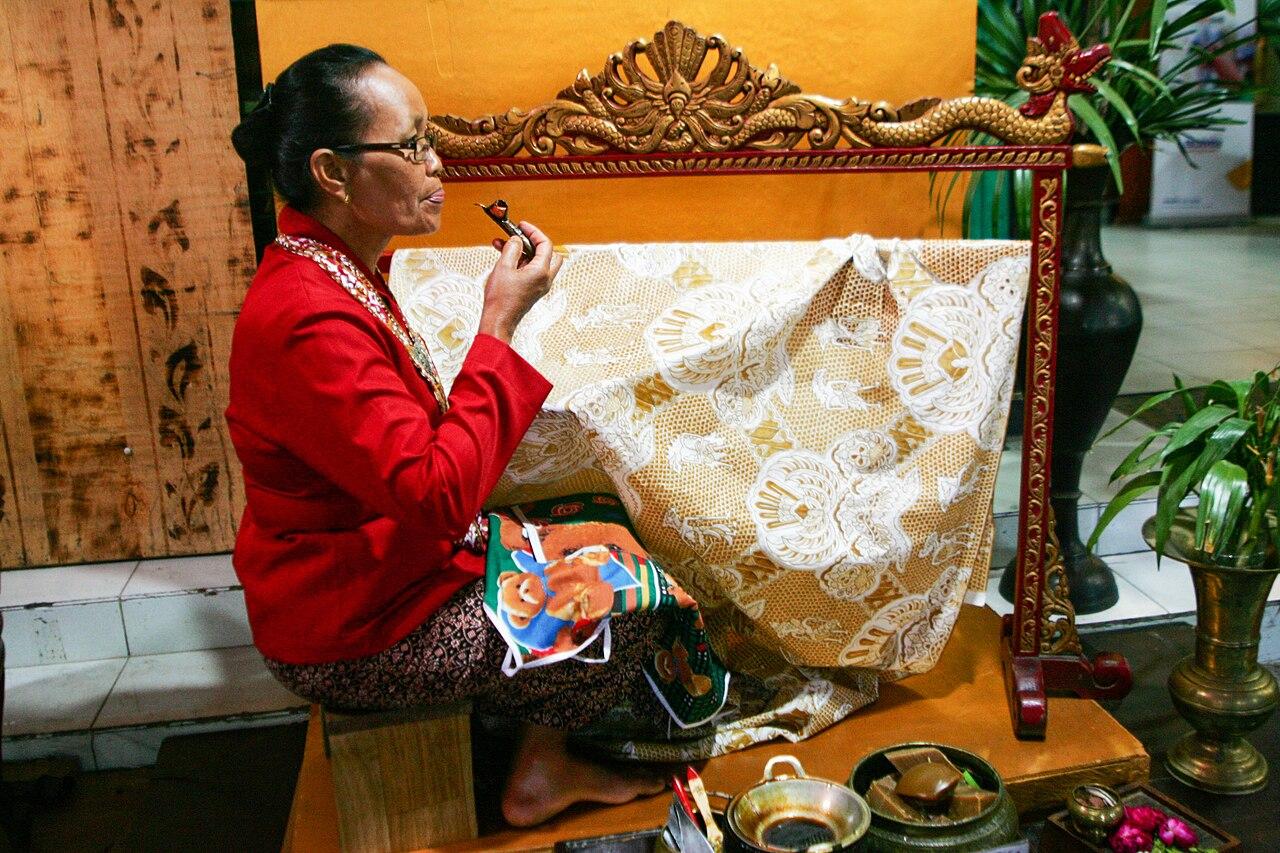
Batik is made by drawing hot wax onto cloth, dyeing it, then removing the wax to reveal the pattern. Hand-drawn batik tulis uses a small copper pen called a canting; batik cap uses copper stamps.
Patterns often carry meaning: parang motifs were once reserved for royalty, while coastal batik from Pekalongan and Cirebon shows bright colours and Chinese, Arab and European influences.
UNESCO inscribed Indonesian batik as Intangible Cultural Heritage in 2009. Indonesia celebrates National Batik Day every 2 October.
Good to know
- UNESCO intangible heritage (2009)
- Drawn with a canting
- National Batik Day: 2 October
Ask NUSANTARA AI
Curious about Batik? Keep exploring.
Nusa Local
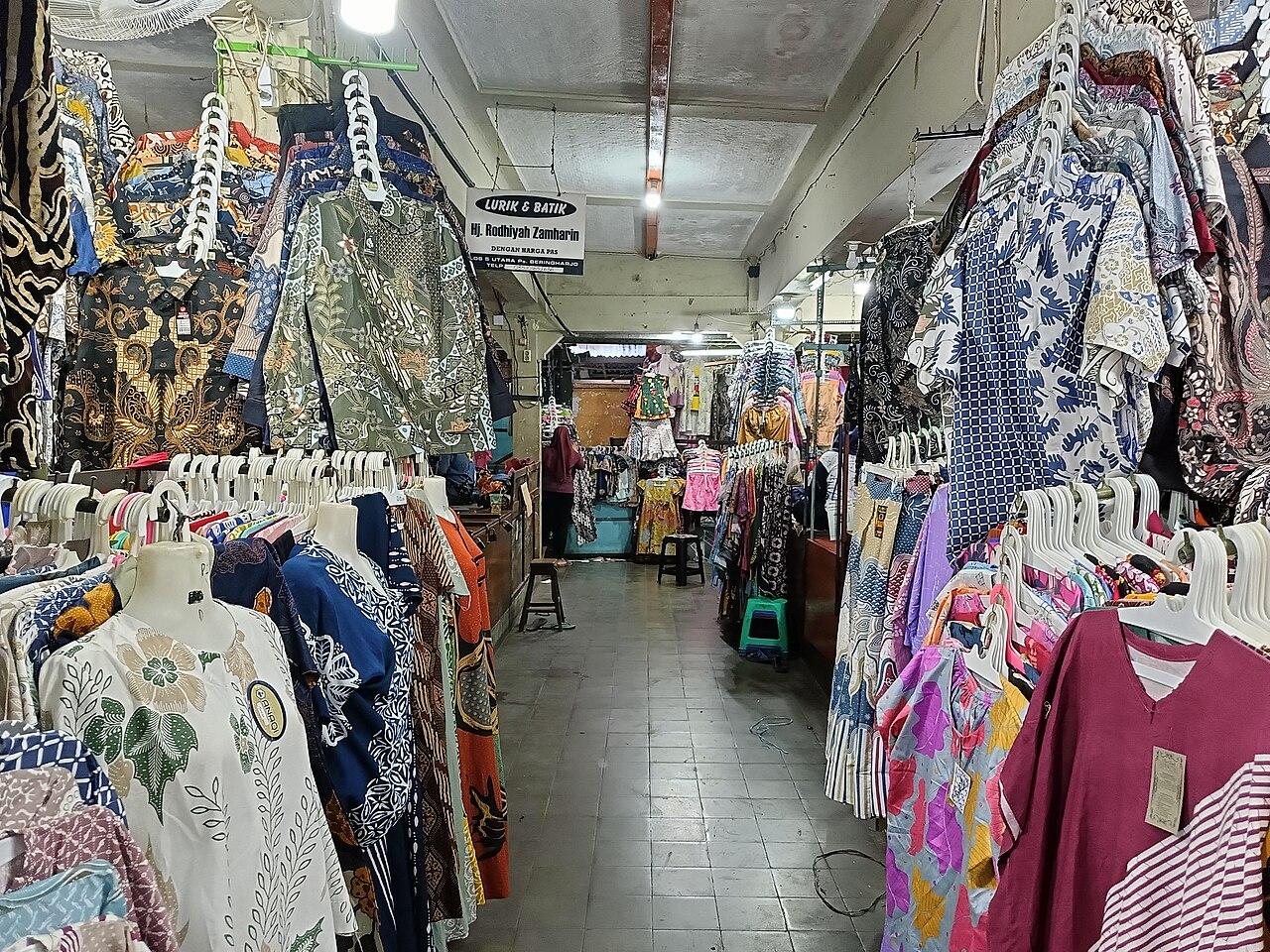
Experience it locally
Where Batik is still made, played or lived.
Continue discovering
Connected to Batik
Where to experience itSee all in Java →
 Destination
Java
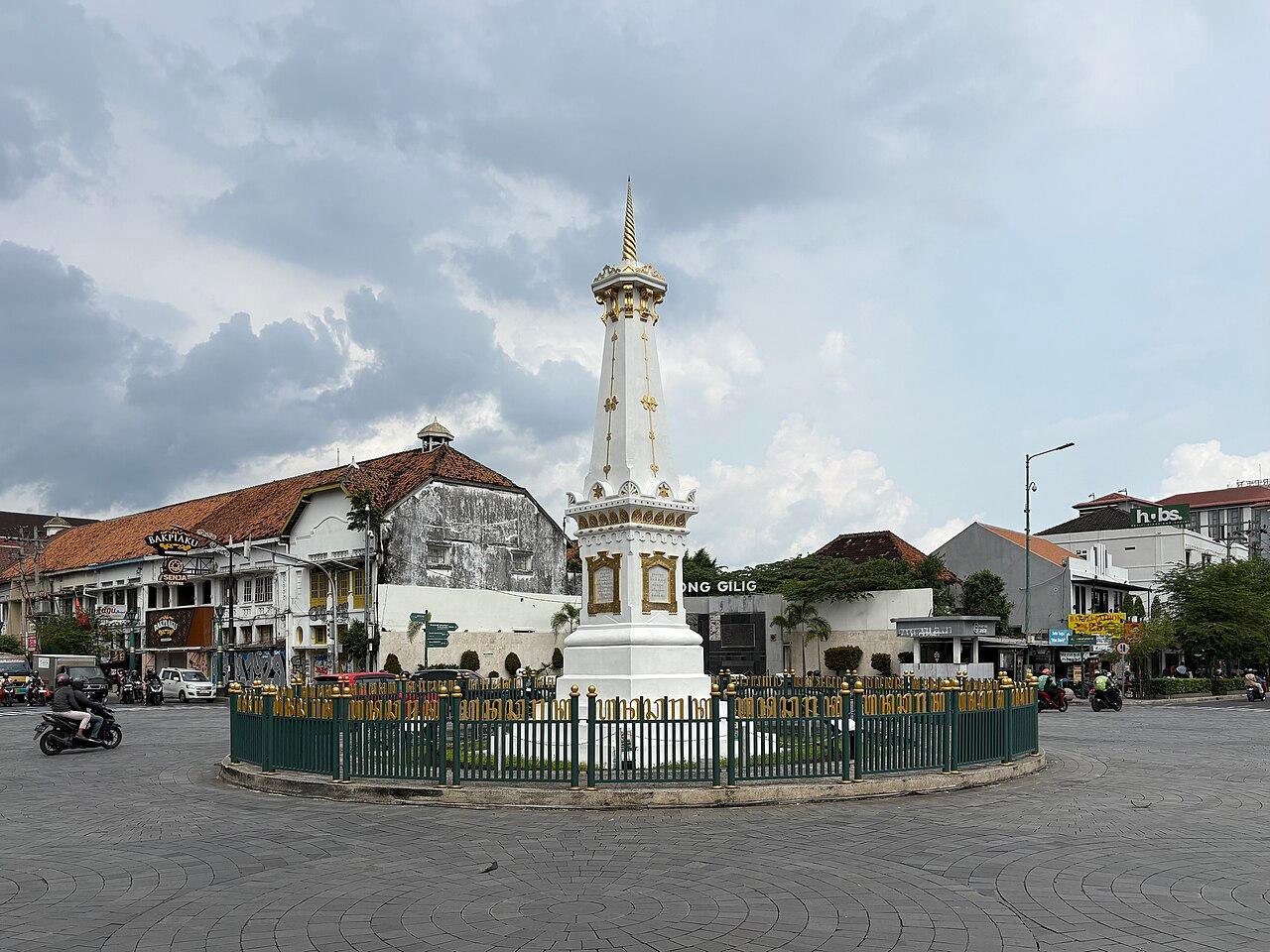
Yogyakarta
Special Region of Yogyakarta
Java's cultural capital, where a living sultanate keeps court arts alive.
View details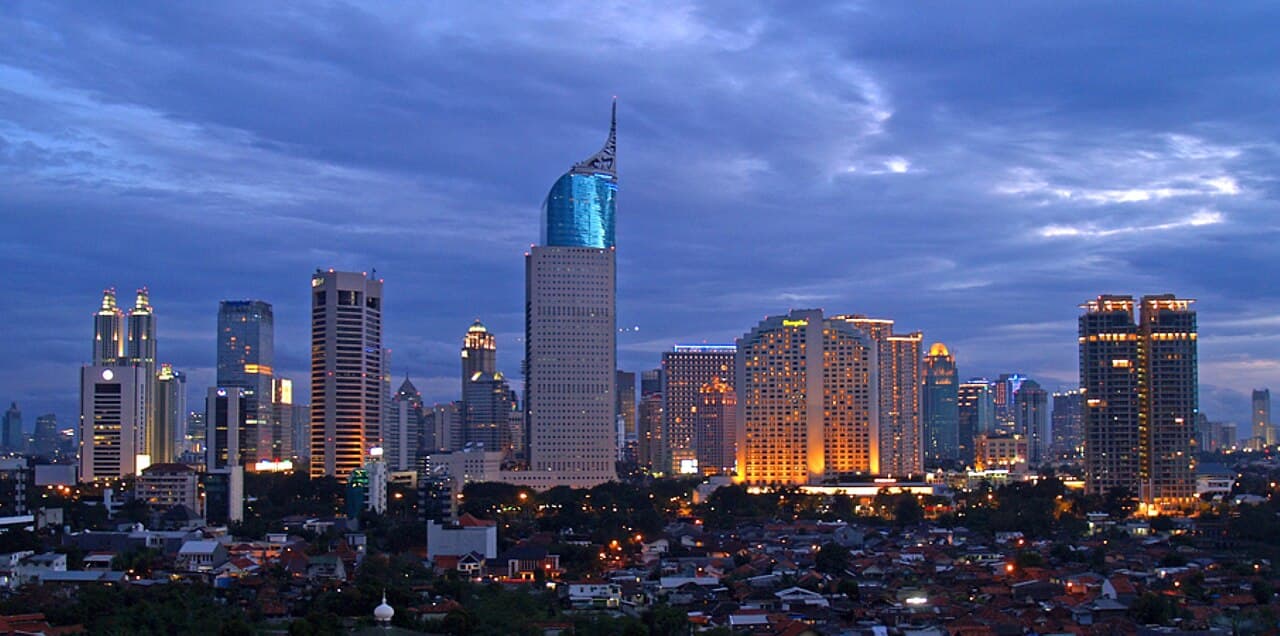 Destination
Java
Jakarta
Special Capital Region of Jakarta
Indonesia's sprawling megacity, from the old port of Batavia to its modern skyline.
View details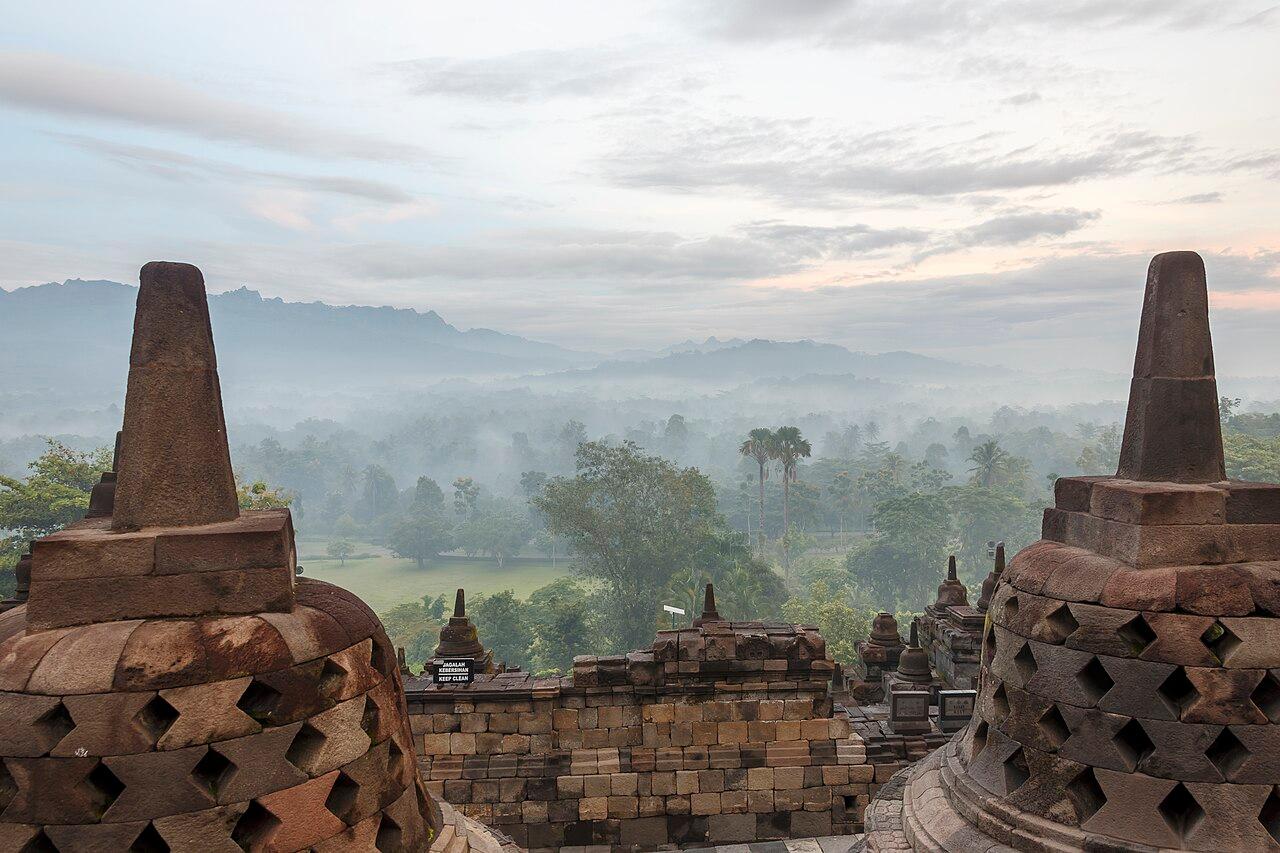 Destination
Java
Borobudur
Magelang, Central Java
The world's largest Buddhist temple, built in the 9th century and a UNESCO World Heritage Site.
View details
Food to trySee all in Java →
 Food
FoodJava
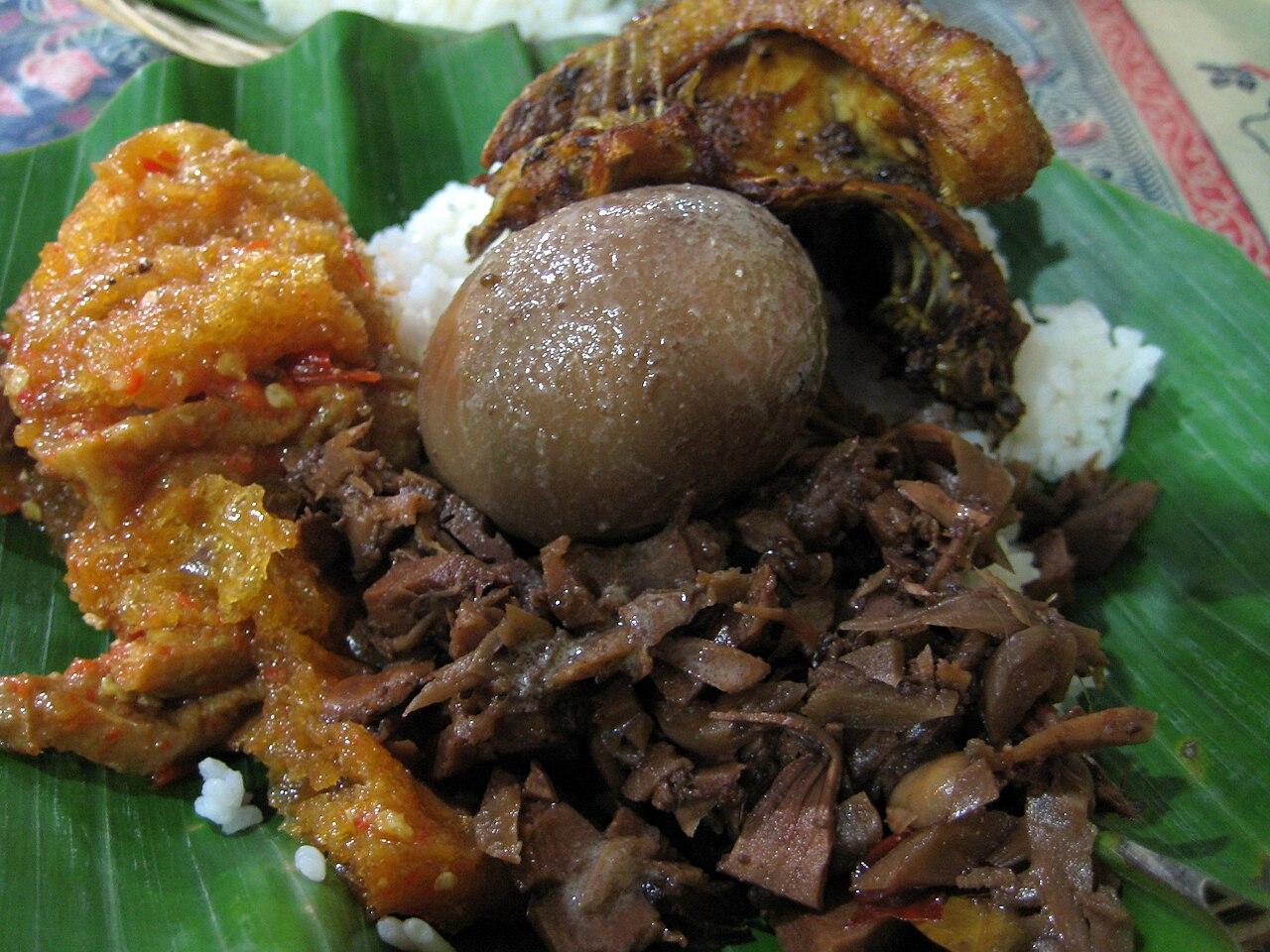
Gudeg
Yogyakarta
Young jackfruit stewed for hours in palm sugar and coconut milk — Yogyakarta's signature.
Learn more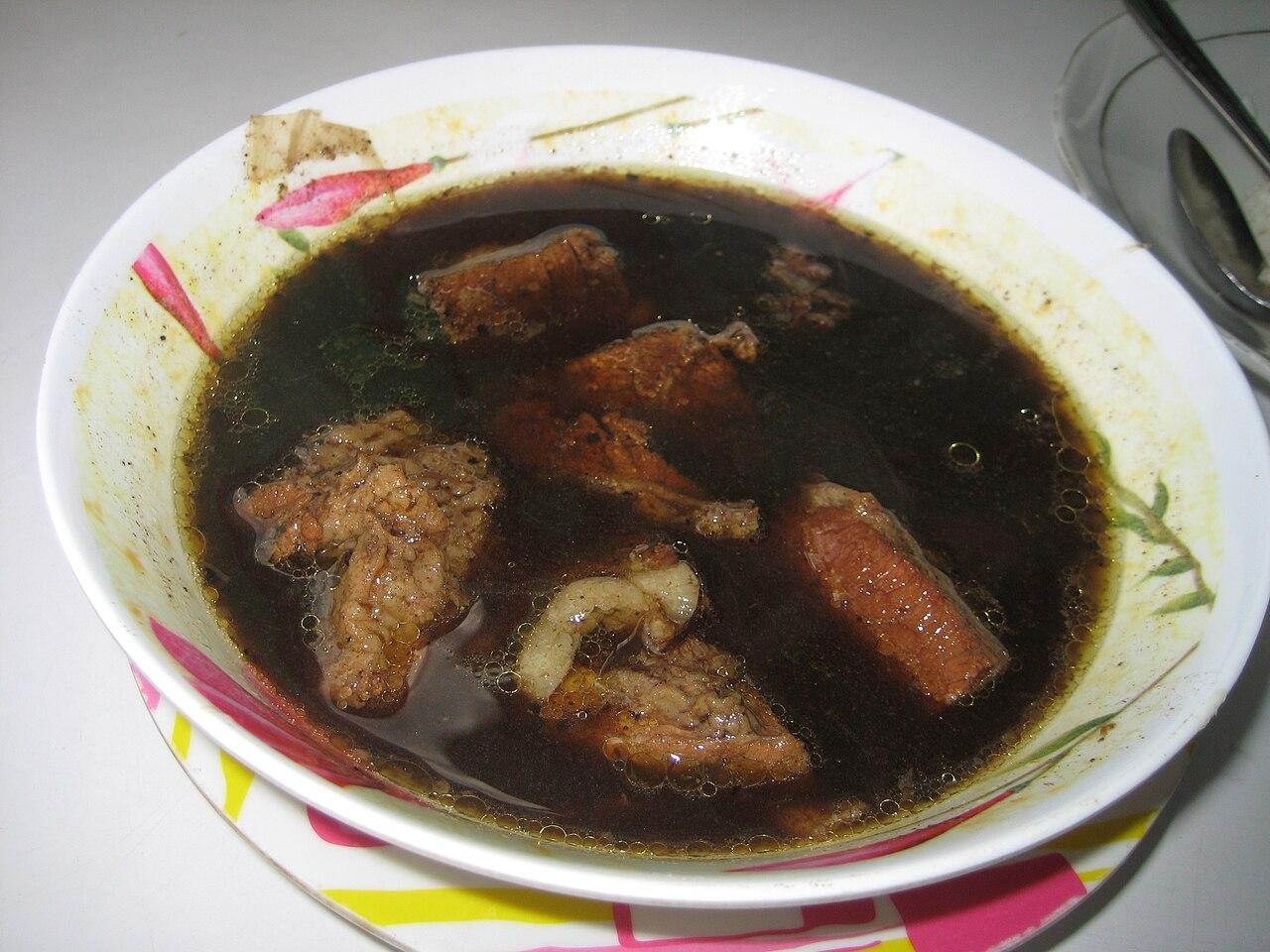 Food
FoodJava
Rawon
East Java
A black beef soup coloured and flavoured by the keluak nut.
Learn more Food
FoodJava
Batagor
Bandung, West Java
Fried fish dumplings and tofu from Bandung, drenched in peanut sauce.
Learn more
Culture to understandSee all in Java →
 Culture
Java
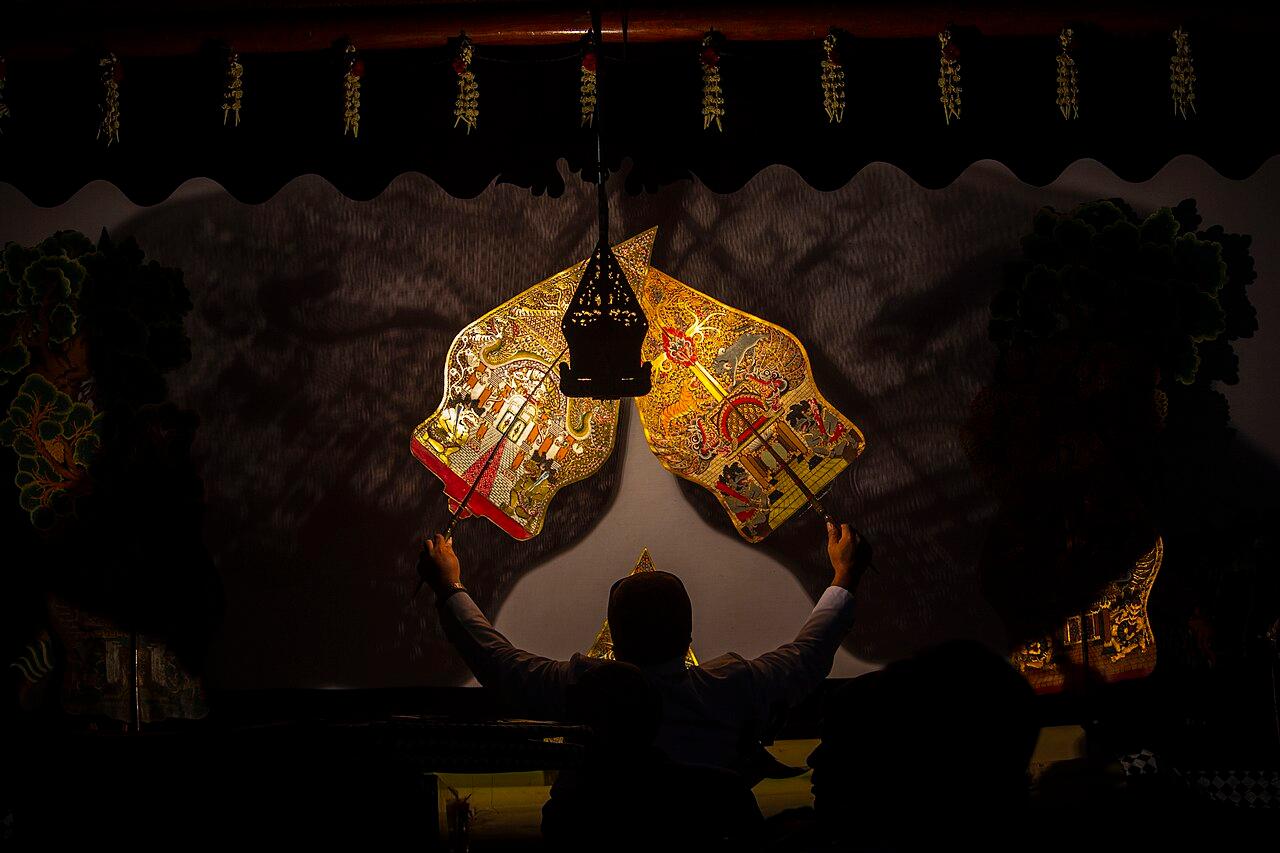
Wayang
Java & Bali
Shadow puppet theatre that has told epic stories through the night for more than a thousand years.
Learn more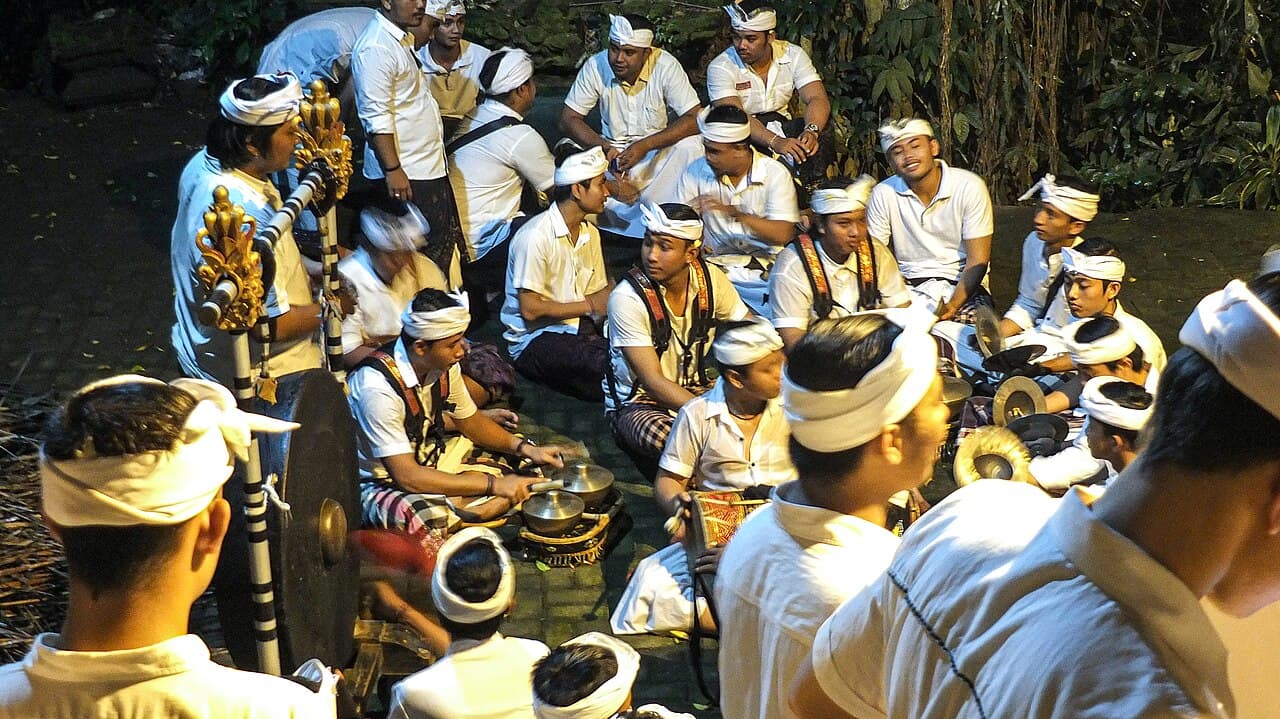 Culture
Java
Gamelan
Java & Bali
Shimmering bronze ensembles of gongs and metallophones at the heart of Javanese and Balinese music.
Learn more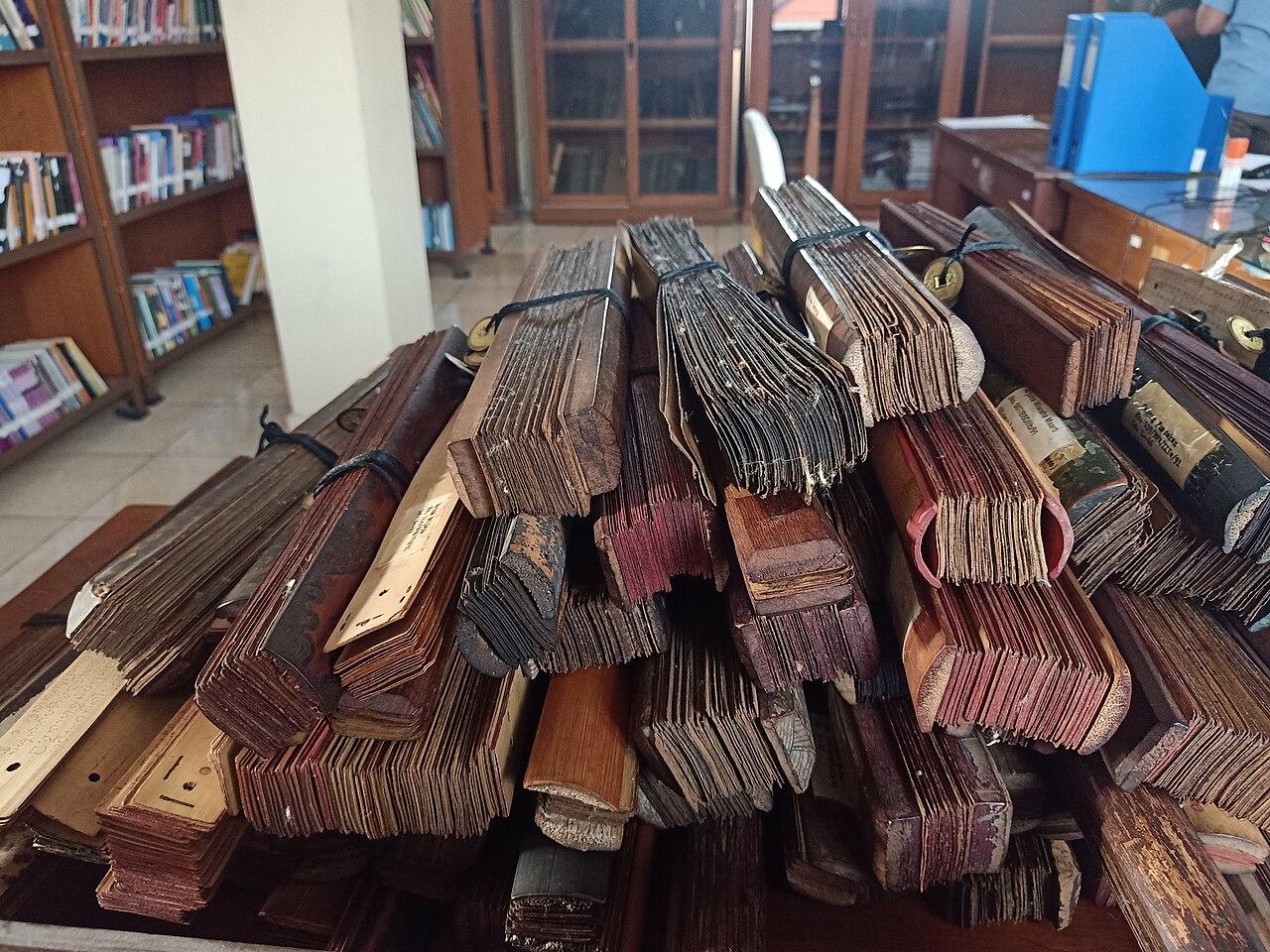 Culture
Java
Languages of Indonesia
Across the archipelago
One national language and roughly 700 living local languages, many with their own scripts.
Learn more