About Nusantara
Discover and understand Indonesia.
An intelligent gateway to the places, food, culture and stories of the archipelago.
What it is
Indonesia is too big for a brochure.
NUSANTARA is an AI-powered platform designed to help people discover and understand Indonesia through places, food, culture and stories.
Indonesia stretches across thousands of islands, with hundreds of peoples and languages and a food culture that changes from one valley to the next. NUSANTARA brings that variety into one place: a written catalog of 27 destinations, 14 cultural topics, 18 dishes and 32 local discoveries, an interactive map, a trip planner, and an AI guide that answers questions in plain language.
It is made for anyone who is curious — a first-time visitor planning a journey, a student, or a cook looking for the story behind a dish.
Nusantara AI
One guide. Five skills.
You never have to choose a mode. NUSANTARA AI reads your question and uses whichever skills it needs — often more than one at once.
Nusa Explore
Destinations, nature, landmarks and hidden gems — returned as cards you can open and compare.
Nusa Culture
History, traditions, art, languages and peoples, explained clearly and respectfully.
Nusa Food
Dishes, regional cuisine, ingredients and the stories behind them.
Nusa Travel
A day-by-day journey built around your destinations, days, budget, interests and pace — which you can then edit in plain words.
Nusa Local
Villages, crafts, markets and experiences beyond the usual guide, each marked as public information or an editorial recommendation.
Nusa Market
What an Indonesian listed company does, which sector it is in and what market terms mean — explained, never as advice to buy or sell.
Sources
Three kinds of information, kept apart.
Whatever you read on NUSANTARA is one of three things, and the page says which.
Curated
NUSANTARA's own catalog
Places, culture, food and local discoveries written for NUSANTARA, with editorial estimates for how long a visit takes. This is what cards, detail pages and itineraries are built from.
External source
Retrieved, and attributed
Background from Wikipedia, photographs from Wikimedia Commons, weather forecasts, exchange rates. Each is shown with its source and licence, summarised rather than copied, and never passed off as NUSANTARA's own.
AI interpretation
Written by a model, and labelled
When an AI model is connected, it puts the curated and external data into words. That text is an interpretation and can contain mistakes; anything a model suggests from outside the catalog is marked as unverified.
External sources in use
- Wikipedia (opens in a new tab)
The opening lines of an article, as background for a place, a tradition or a dish.
Text under CC BY-SA 4.0, linked to the article.
- Wikimedia Commons (opens in a new tab)
Photographs — the site's own, and the extra ones on detail pages.
Each credited with its author and licence.
- Open-Meteo (opens in a new tab)
Forecasts for a journey's dates, and the long-term averages behind “when to go”.
Weather data by Open-Meteo.com, CC BY 4.0.
- Frankfurter (opens in a new tab)
Reference exchange rates, to show a budget in rupiah.
Central-bank reference rates; approximate, not advice.
- OpenStreetMap (opens in a new tab)
Links to the full map of an area, and an optional street-map background for itineraries.
© OpenStreetMap contributors, ODbL.
None of them is required. If a source cannot be reached, the page or the answer simply comes without it — and says so where it matters, as in “Weather data unavailable”.
Roadmap
The platform, module by module.
Today NUSANTARA covers discovery, trip planning and local discoveries. Planned modules are listed here so you know what is coming — they are not available yet.
Nusa Explore
LiveDestinations, nature, landmarks and hidden gems.
Nusa Culture
LiveHistory, traditions, art, languages and people.
Nusa Food
LiveRegional dishes, ingredients and culinary stories.
Nusantara AI
LiveOne intelligent guide across every module.
Nusa Travel
LivePlan a personal journey, day by day, and edit it with AI.
Nusa Local
LiveVillages, crafts, markets and experiences beyond the usual guide.
Nusa Passport
LiveYour own record of what you have discovered: regions, dishes, traditions, journeys.
Nusa Market
LiveIndonesia's public companies, sectors and market activity — to read about, not to trade.
Nusantara Community
LiveDiscoveries contributed by people and reviewed before they appear.
Contact
NUSANTARA is still in an early phase. The operator of this site has not published contact details yet; they will appear here when they are.
Privacy
There are no accounts and no tracking cookies. Questions you ask are sent to our server to generate an answer and are not saved there; when an AI model is connected, they are processed by our AI provider. Your current conversation is kept in your browser so you can continue it, and is cleared when you close the tab. Journeys and places you save are stored in this browser only, until you delete them or clear its data.
Your NUSA PASSPORT — the name you choose, and which places, dishes, traditions and regions you have opened — is kept in this browser only, under an anonymous id generated here. It is not a public profile and is not stored on our server. When you ask NUSANTARA AI a question, a short summary of it (what you have discovered and how many journeys you saved, without your name or id) is sent with the question so that “What should I discover next?” can be answered. You can erase it at any time from the Passport page.
Weather, exchange rates and Wikipedia text are fetched by our server: those services receive what is being looked up — a place, a topic, a currency — not who asked. The extra photographs on detail pages are loaded by your browser directly from Wikimedia, under its own privacy policy.
Your NUSA MARKET watchlist is a list of tickers kept in this browser. The site runs no analytics and no advertising scripts, asks for no wallet, and records nothing on any blockchain. Like any web server, ours sees the address a request comes from while it answers it and uses it, for a minute, to limit how fast one visitor can ask; its logs record which data provider was used and whether it worked — not what you asked.
Terms
Content is for inspiration and learning. AI answers can be wrong — confirm important travel, safety and permit information with official sources before you go.
NUSANTARA takes no bookings and no payments, and holds no prices or opening hours. NUSA MARKET is for information and education only: it is not investment advice, recommends no security, and its figures may be delayed, cached or — where labelled — demo values. The site is offered as it is, without a guarantee that it is complete, current or always available.
Photo credits
Photography comes from Wikimedia Commons contributors and is used under the licenses listed below. Each entry links to its source. Map data comes from Natural Earth (public domain). The other sources the site draws on are listed under Sources.
- aksara — Carma citrawati · CC BY-SA 4.0
- arborek — Anazlombu · CC BY-SA 4.0
- asmat — Keenan63 · CC BY-SA 4.0
- ayam betutu — m4sh.3d · CC BY-SA 2.0
- ayam taliwang — Midori · CC BY 3.0
- bakso — Bajinra · CC0
- bali arts festival — John Y. Can · CC BY 2.0
- baliem — Lasthib · CC BY-SA 4.0
- balinese cooking — tinofrey · Public domain
- banda neira — Anton Leddin · CC BY-SA 3.0
- batagor — Gunawan Kartapranata · CC BY-SA 3.0
- batik — Ahaetulla · CC BY-SA 4.0
- belitung — Raflinoer32 · CC BY-SA 4.0
- beringharjo market — Indonesiagood · CC BY 3.0
- borobudur — CEphoto, Uwe Aranas · CC BY-SA 3.0
- bromo — Jakub Hałun · CC BY-SA 4.0
- bunaken — Niek van Son · CC BY 2.0
- coto makassar — (Lofor) · CC BY 3.0
- dayak — Khafi Muzakkir · CC BY-SA 4.0
- derawan — consigliere ivan from Bontang, Indonesia · CC BY 2.0
- gado gado — Sakurai Midori · CC BY 3.0
- gamelan — Jacques Alois Morard · CC BY-SA 4.0
- gamelan lesson — Adityakhairulsani · CC BY-SA 4.0
- gili islands — Vyacheslav Argenberg · CC BY 4.0
- giriloyo batik — Ivuvisual · CC BY-SA 4.0
- glodok walk — Seika N · CC BY 3.0
- gudeg — christian razukas from Honolulu, Hawaii · CC BY-SA 2.0
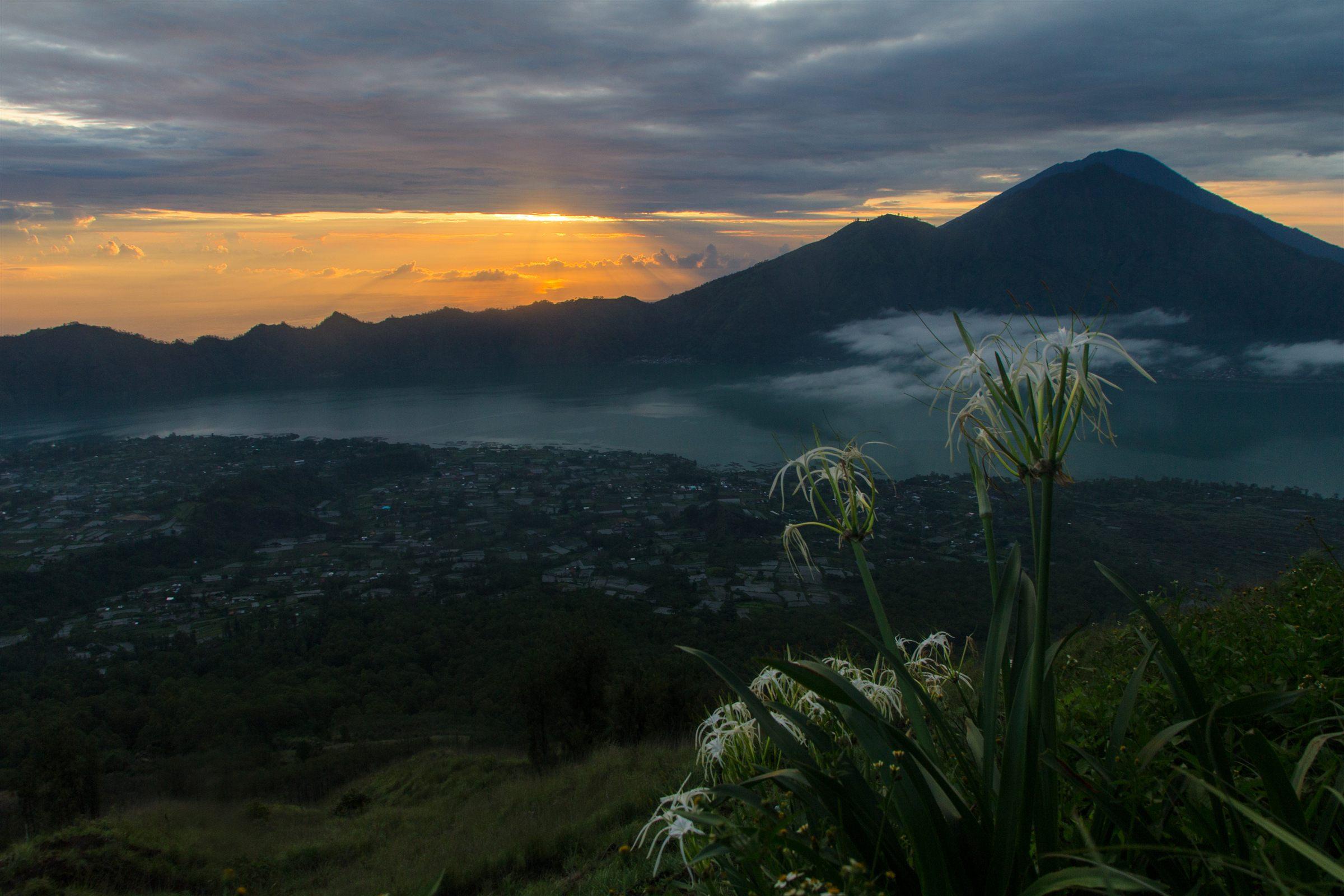
- hero batur — Alexey Komarov · CC BY 3.0
- hero bromo — Andhika bayu nugraha · CC BY-SA 4.0
- jakarta — yohanes budiyanto · CC BY 2.0
- jodipan — Dominic Nelson · CC BY-SA 4.0
- kampung naga — Arabsalam · CC BY-SA 4.0
- kawah ijen — CEphoto, Uwe Aranas · CC BY-SA 3.0
- kawah putih — Dicka Ma'arif Alyatalatthof · CC BY-SA 4.0
- kecak — Cindy Chen · CC BY 3.0
- kelimutu — LukeTriton · CC BY-SA 4.0
- kemiren — HarfiBimantara · CC BY-SA 4.0
- kerak telor — Dainsleaf · Public domain
- kete kesu — Ansensius · CC BY-SA 4.0
- klepon — Tim WikiPuluran - WikiBanua · CC BY-SA 4.0
- komodo — Charles J. Sharp · CC BY-SA 4.0
- kotagede silver — Jacob Derk de Jonge · CC BY 4.0
- lake toba — Miranda samosir · CC BY-SA 4.0
- lok baintan — Muhammad Haris · CC BY-SA 4.0
- majapahit — Ivuvisual · CC BY-SA 4.0
- minang kitchen — Goverment of West Sumatra Province · Public domain
- nasi goreng — Supardisahabu · CC BY-SA 4.0
- nasi padang — D.W. Fisher-Freberg · CC BY-SA 4.0
- ngarai sianok — Adhmi · CC BY 4.0
- nglanggeran — Pulungadi · CC BY-SA 4.0
- nusa penida — Chainwit. · CC BY 4.0
- ora beach — Tiket2.com · CC BY 2.0
- padar — YUS JULIADI · CC BY-SA 4.0
- pandai sikek — Adhmi · CC BY-SA 4.0
- papeda — Gunawan Kartapranata · CC BY-SA 3.0
- pariangan — Detasilek · CC BY-SA 4.0
- pempek — Lord Mountbatten · CC BY-SA 3.0
- pencak silat — Ganjarmustika1904 · CC BY-SA 4.0
- penglipuran — Balou46 · CC BY-SA 4.0
- pinisi — Mulia Setiani · CC BY-SA 4.0
- prambanan — Jakub Hałun · CC BY-SA 4.0
- raja ampat — Rolandandika · CC BY-SA 4.0
- rambu solo — Ansensius · CC BY-SA 4.0
- rawon — christian razukas from Honolulu, Hawaii · CC BY-SA 2.0
- rendang — Wikimedia Commons contributor · CC BY-SA 2.0
- rinjani — Aldoarianto.87 · CC BY-SA 4.0
- rumah gadang — Wasnisahmahdi · CC BY-SA 4.0
- sade village — Midori · CC BY 3.0
- saman — Muhammad Iqbal · CC BY-SA 4.0
- sate — Lord Mountbatten · CC BY-SA 4.0
- sate lilit — Bapak Alex · CC BY 4.0
- sate maranggi — Gunwan Kartapranata · CC BY-SA 4.0
- saung angklung — Ekaterina Kvelidze · CC BY-SA 4.0
- sawinggrai — JJ Harrison · CC BY-SA 4.0
- sekaten — Kembangraps · CC BY-SA 4.0
- setu babakan — RasyaAbhirama13 · CC BY-SA 4.0
- sidemen — Paul Arps from The Netherlands · CC BY 2.0
- soto — Sakurai Midori · CC BY-SA 3.0
- soto banjar — Midori · CC BY 3.0
- spice banda — Anton Leddin · CC BY-SA 3.0
- sukarara weaving — Rollan Budi from Vancouver, BC, Canada · CC BY-SA 2.0
- tana toraja — Idris prasetiawan · CC BY-SA 4.0
- tanah lot — Jakub Hałun · CC BY-SA 4.0
- tanjung puting — Thomas Fuhrmann · CC BY-SA 4.0
- tegallalang — Vyacheslav Argenberg · CC BY 4.0
- tenganan — DayakSibiriak · CC BY-SA 4.0
- ubud dance — Jakub Hałun · CC BY-SA 4.0
- ulun danu — Yessykharisma · CC BY-SA 4.0
- uluwatu kecak — Ken Eckert · CC BY-SA 4.0
- wae rebo — Jakub Hałun · CC BY 4.0
- wakatobi — Kementerian Pariwisata dan Ekonomi Kreatif · Public domain
- wayang — FaizAttariqi · CC BY-SA 4.0
- wayang night — Ivuvisual · CC BY-SA 4.0
- yogyakarta — Chainwit. · CC BY 4.0